
August 14, 2025
9 mins
Destination: United Kingdom
Share
In this article
A Guide to Walking the South Downs Way
The South Downs Way is one of the most iconic hiking trails in the South of England. In 2010, it became a National Trail and attracts thousands of visitors each year, both on foot and on bike.
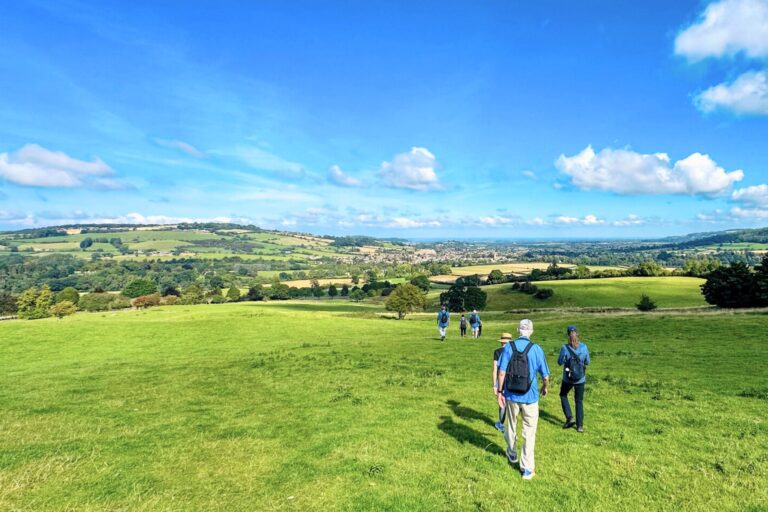
Stretching from Winchester in Hampshire to Eastbourne in East Sussex, the 100-mile (160 km) route takes in all the South Downs National Park has to offer.
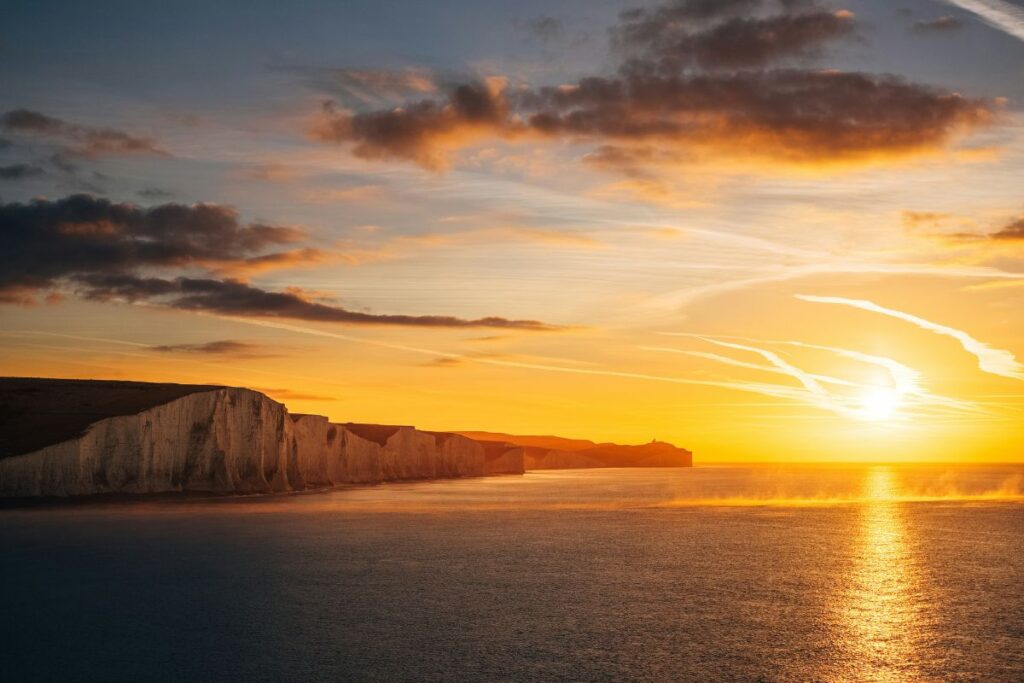
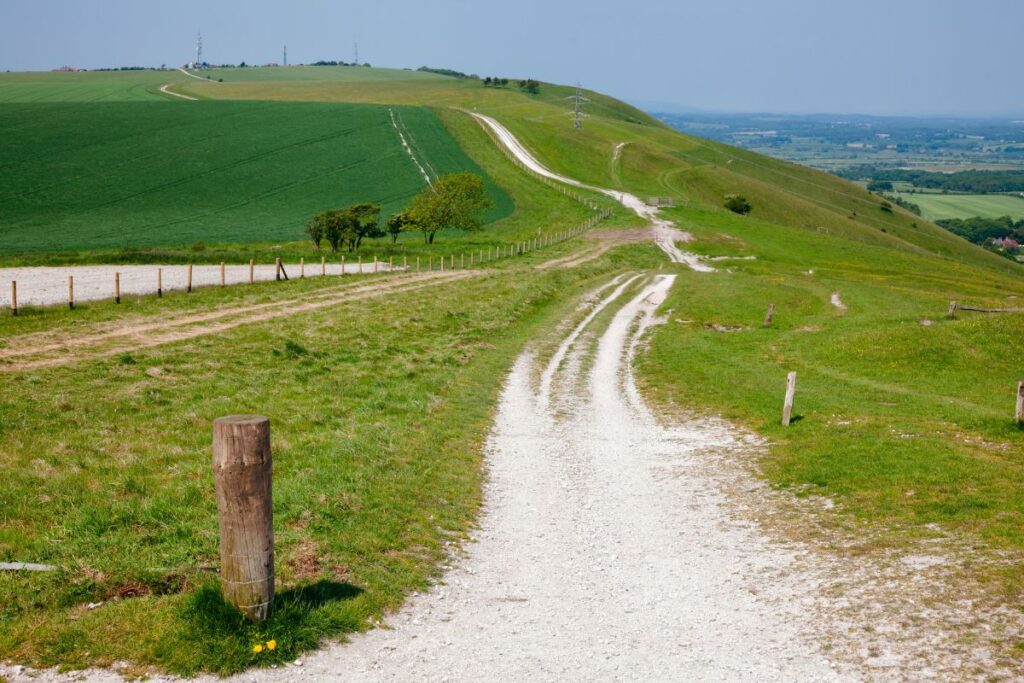
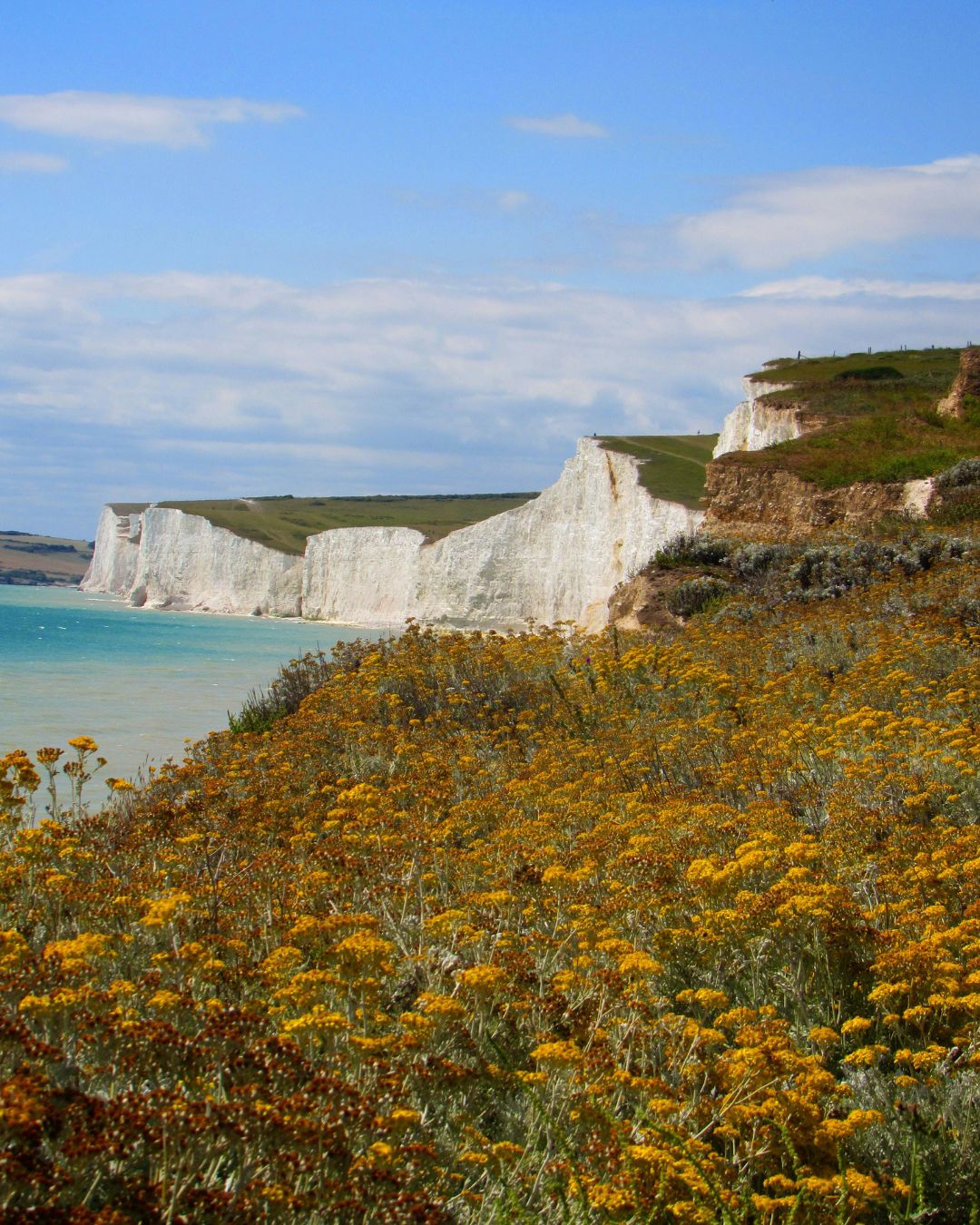
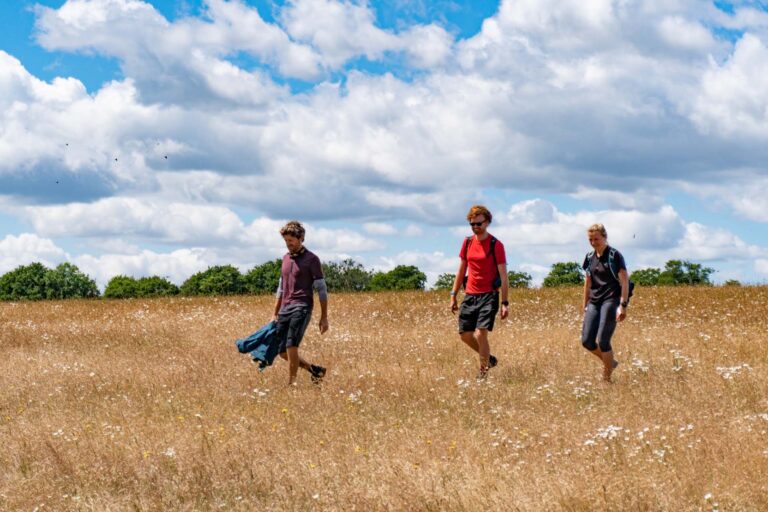
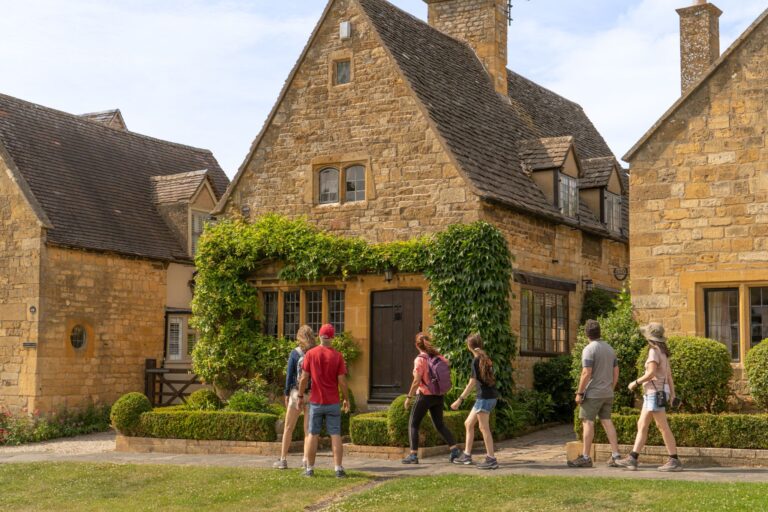
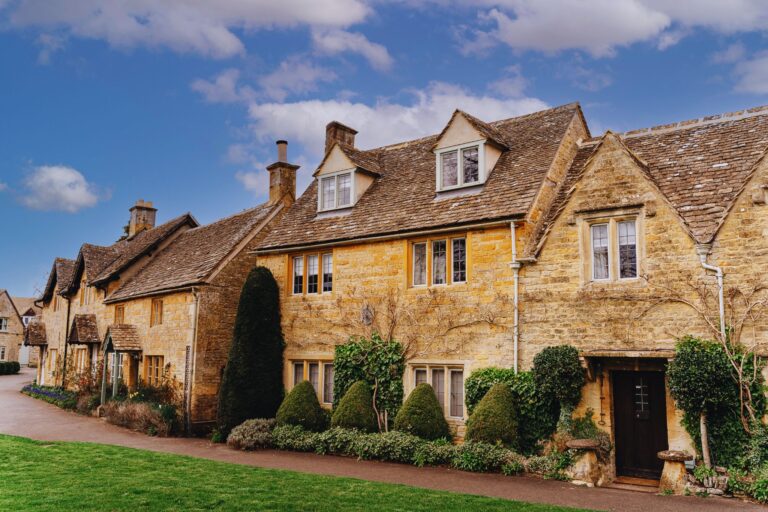
The route follows a variety of different trails, with single tracks, rolling hills, chalk cliffs, and even paths that wind through beautiful English vineyards. You’ll see picturesque villages like Cocking, Amberley, Washington, Fulking, Pyecombe, and Alfriston, and towards the end of your hike, the beautiful Seven Sisters chalk cliffs and Beachy Head with views over the iconic Beachy Head Lighthouse.
In this Guide to Walking the South Downs Way, we’ll cover everything from how and when to tackle the 100-mile route to where to stay.
Where is the South Downs Way and where does it start and finish?
The South Downs Way stretches from Winchester, in Hampshire, to Eastbourne, in East Sussex. It is one of 16 National Trails in England, and follows the northern escarpment of the South Downs, taking in rolling hills, picturesque villages, chalk cliffs, and much more.
How long is the South Downs Way?
The South Downs Way is 100 miles (160 km) long.
How fit do you need to be to walk the South Downs Way?
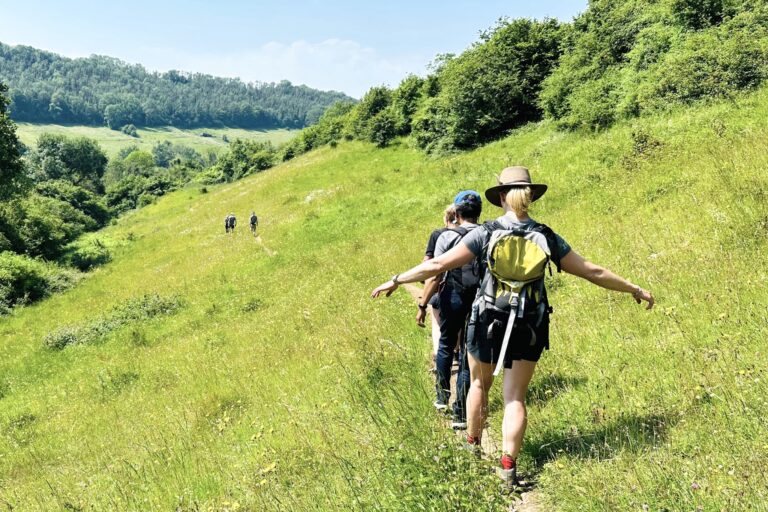
As a long-distance walking route, covering over 100 miles, with an elevation gain of around 3,800 meters (12,600 feet), the South Downs Way is one of the easier hiking routes in the UK, with a few short sharp climbs but also a lot of gentle rolling hills and many flat sections.
As with any hike, a good base of fitness is required but you certainly don’t need to be an athlete. This one’s all about enjoying the views and getting out in nature.
How long does it take to walk the South Downs Way?
Most people complete the South Downs Way 6-8 days, although this is based greatly on your daily mileage and how many days of rest you wish to take. Most people walk around 10–15 miles a day and tackle the route in a series of stages, either over a week or years, returning to tick off a new section when they can.
Is the South Downs Way well signposted?
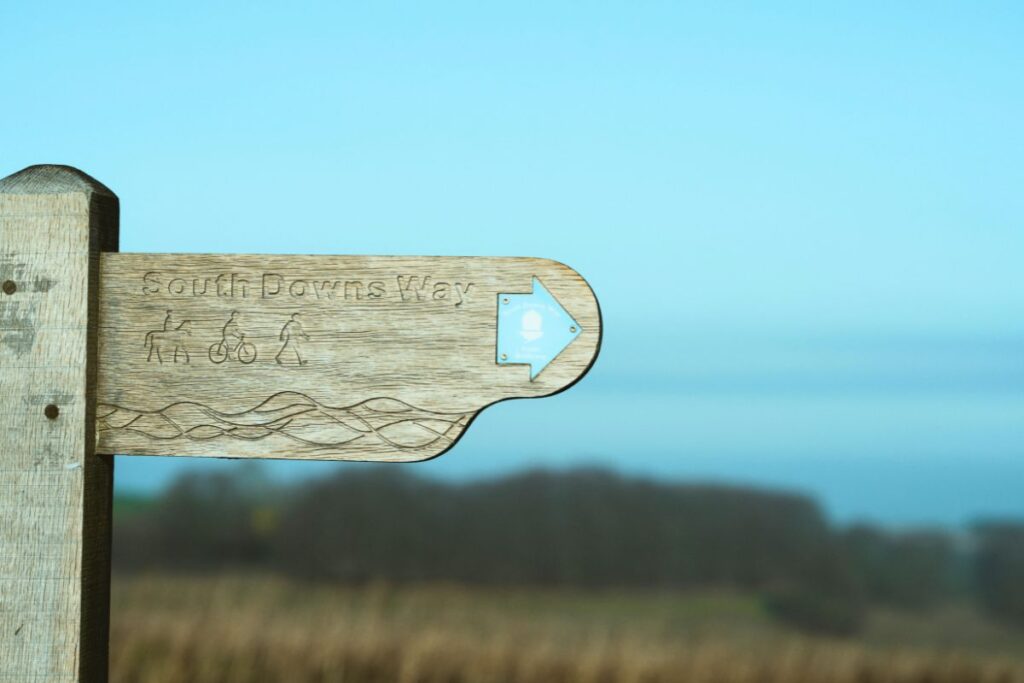
As a National Trail, the South Downs Way is clearly marked. All signposts will have the acorn symbols on, which makes them quite easy to spot. In towns and villages, you’ll often find signs pointing you in the right direction – and if you get lost, most people can point you in the right direction.
We recommend taking a guidebook, map or watch / phone with the route on.
When is the best time to walk the South Downs Way?
You can walk the South Downs Way all year around, although the weather will certainly play a factor in the difficulty – especially if you decide to tackle it during the winter months.
We recommend walking the South Downs Way between late spring and early autumn – May to September. During these months, you’ll get the best combination of longer daylight hours, milder weather, and drier ground underfoot.
Outside of these months, especially in winter and early spring, parts of the trail can become a little muddy and boggy, especially fields and some of the single tracks. In addition to this, shorter days make it harder to cover longer distances, and you may need a headtorch if you’re planning to start and or finish before light.
Stages of the South Downs Way
You can hike the South Downs Way over a series of days or pick and choose sections to complete over a time scale that works for you.
Here’s a walking route for The South Downs Way, split into seven stages.
Stage 1: Winchester – Exton
Distance: 12 miles (19.5 km)
Highlights: There’s so much to see where your hike begins, so make sure you factor in enough time to walk around historic Winchester before you begin. We recommend visiting the grand cathedral and King Arthur’s Round Table before heading into the open countryside. The trail rolls gently through peaceful farmland and charming hamlets. Reward your efforts with a riverside pint at The Shoe Inn in Exton or a pre-walk coffee at Eighteen71 Café.
Stage 2: Exton – Buriton
Distance: 12.5 miles (20 km)
Highlights: Today’s hike starts with a climb out of the Meon Valley and up to Old Winchester Hill, an ancient hillfort with knockout views. Pass through open downs and tranquil woods as you head towards Butser Hill, the highest point on the South Downs. Finish the day with a gentle descent into the picturesque village of Buriton. Perhaps grab a well-deserved drink at The Five Bells.
Stage 3: Buriton – Cocking
Distance: 11 miles (18 km)
Highlights: This ridge-heavy stage delivers peaceful solitude and wide-open views. Pass Bronze Age barrows at The Devil’s Jumps and enjoy undulating trails with occasional breaks for the sun (if you’re hiking in summer) in the forest. It’s a more relaxed walk with no major climbs. Wind down the day in Cocking with a stop at the Cadence Clubhouse or head slightly off-trail to the Blue Bell Inn.
Stage 4: Cocking – Amberley
Distance: 12 miles (19 km)
Highlights: Today’s hike has a mixture of trails: Climb through Charlton Forest, pass Bronze Age burial mounds, and follow Roman roads to Bignor Hill – home to some incredible mosaics at Bignor Roman Villa. Your hike ends in the postcard-perfect village of Amberley, where you can explore the Amberley Museum or relax with tea and cake at Amberley Tea Room.
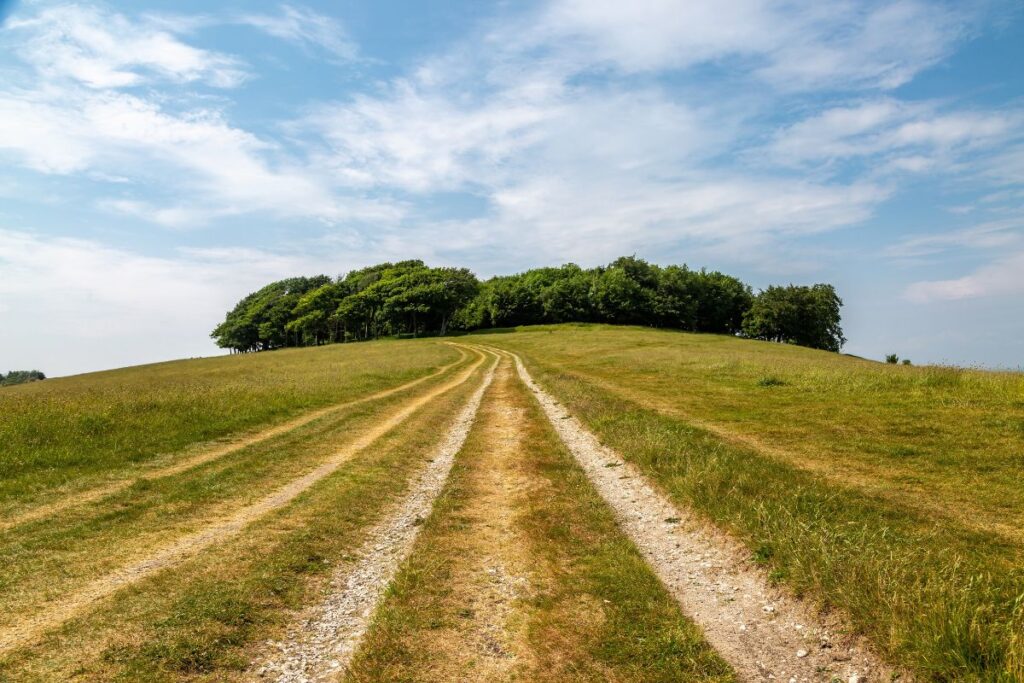
Stage 5: Amberley – Upper Beeding
Distance: 12.8 miles (20 km)
Highlights: The main highlight on today’s route is Chanctonbury Ring, a mysterious Iron Age hillfort. In The Old Ways: A Journey on Foot (an interesting book about historic routes that criss-cross the UK), author Robert Macfarlane describes a disturbing summer night spent at Chanctonbury. “I heard the first scream at around two o’clock in the morning. A high-pitched and human cry… the cries met each other almost directly above me.”
Take a moment to savour the views – perhaps just not too long! This stage is moderate in difficulty and rich in atmosphere. Refuel at the South Downs Fodder Box near Upper Beeding.
Stage 6: Upper Beeding – Lewes
Distance: 15.5 miles (25 km)
Highlights: Today is the longest day – and there are a few punchy climbs, too. You’ll traverse Devil’s Dyke, a 100-metre deep V-shaped dry valley with beautiful views from the top. Reward yourself in the vibrant town of Lewes, and fuel up for your final two days!
Stage 7: Lewes – Alfriston
Distance: 13 miles (22 km)
Highlights: The penultimate day begins with an easier, scenic stretch through peaceful fields leading to the riverside village of Alfriston – if you have time, visit the National Trust Clergy House. Take your pick of welcoming pubs like The George Inn or enjoy a relaxed pot of tea at The Badger’s Tea House.
Stage 8: Alfriston – Eastbourne
Distance: 10.5 miles (17 km)
Highlights: It’s your final day! Today is all about the iconic Seven Sisters chalk cliffs. With sea breezes in your hair and the glittering Channel beside you, it’s a beautiful final leg. Make a stop at Beachy Head Pub before descending into Eastbourne to complete your South Downs Way hike.
Best Accommodation on South Downs Way
There are plenty of places to stay on The South Downs Way, from camp sites and hostels to Air B&Bs and hotels. Here are a few spots we recommend checking out when you’re planning your walk.
Winchester Royal Hotel, Winchester
A good night’s sleep is imperative before you start your hike, and at the Winchester Royal Hotel, it’s guaranteed! Located just a short stroll from the cathedral and train station, the Winchester Royal Hotel blends convenience with classic charm. Expect comfortable rooms, an on-site bar and delicious restaurant.
The Sustainability Centre, East Meon (near Exton)
A couple of miles on from Exton and right next to the South Downs Way, The Sustainability Centre offers a range of accommodation, including yurts, shepherd’s huts, hostels and a B&B.
The Nest Hotel and Restaurant, Buriton
The Nest Hotel & Restaurant is a private, family-owned boutique hotel right on the South Downs Way, making it the perfect base to stop along the route. Expect comfortable rooms and delicious food.
The Blue Bell B&B, Cocking
This village pub is in the heart of Cocking Village. It’s a welcoming freehouse with fresh produce, local ales, coffee and treats, and rooms to rest your tired legs. There’s even a garden to basque in the sunshine.
The Sportsman, Amberley
A friendly haven to end your day of walking. This pub has everything from local ales and craft beers to great food and bed and breakfast accommodation. Relax post walk in the conservatory, overlooking Amberley Wildbrooks Nature Reserve.
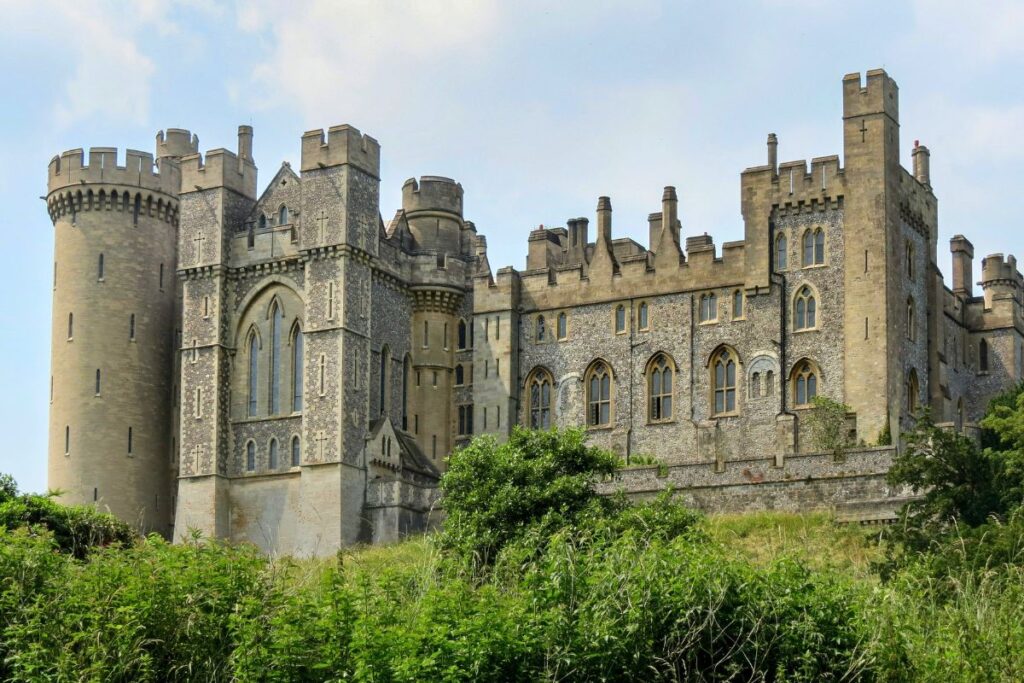
The Castle Inn Hotel, Near Upper Beeding
This pub has been run by the same family for over 20-years. Expect a warm welcome, home-cooked food, and a comfortable room to rest in.
The Blacksmith Arms, Lewes
The Blacksmiths Arms is a traditional 18th century English Inn, providing comfortable accommodation at the village pub. They have a range of double and twin rooms, as well as family rooms. A great place to rest for your penultimate day!
Alfriston Cabins, Alfriston
Treat yourself to a cabin with a hot tub for your penultimate stay. Alfriston Cabins are set in small private woods, on the South Downs. Cook outside on firepits, relax under the stars in a hammock, and give those legs some rest in the host tub.
The Manse B&B, Eastbourne
Built in 1906, this air B&B is full of character. It’s an ideal stopover to finish your trip and you’re only 5 minutes from the town centre!
If you’re looking for more exciting routes and challenges, take a look at our round up of the best Long Distance Walking Routes in the UK.








1 thought on “A Guide to Walking the South Downs Way”
We recently walked 5ish miles of the South Downs Way. Loved every minute of it! Now we want to walk the entire trail in one trip (we live in Tennessee, USA).
How does one get luggage from one overnight place to the next?